Turned Into Another Man

Thoughts on life and faith after unexpected life changes at an advanced age
I have walked into businesses or offices only to walk out confused and wondering who was in charge of that chaos. Nobody seemed to listen to anyone else, and everyone was preoccupied by their own small world.
Malachi 1:11 says, “For from the rising of the sun to its setting my name will be great among the nations, and in every place incense will be offered to my name, and a pure offering. For my name will be great among the nations, says the LORD of hosts.” All nations and people are subject to the hand of God. He will be worshipped everywhere. He created all things and sustains all things.

In baseball and football, it is often said that an athlete has soft hands. This means that he or she has the ability to seemingly catch any ball thrown or batted in their direction. Balls seem to just melt into their hands with the lightest touch.
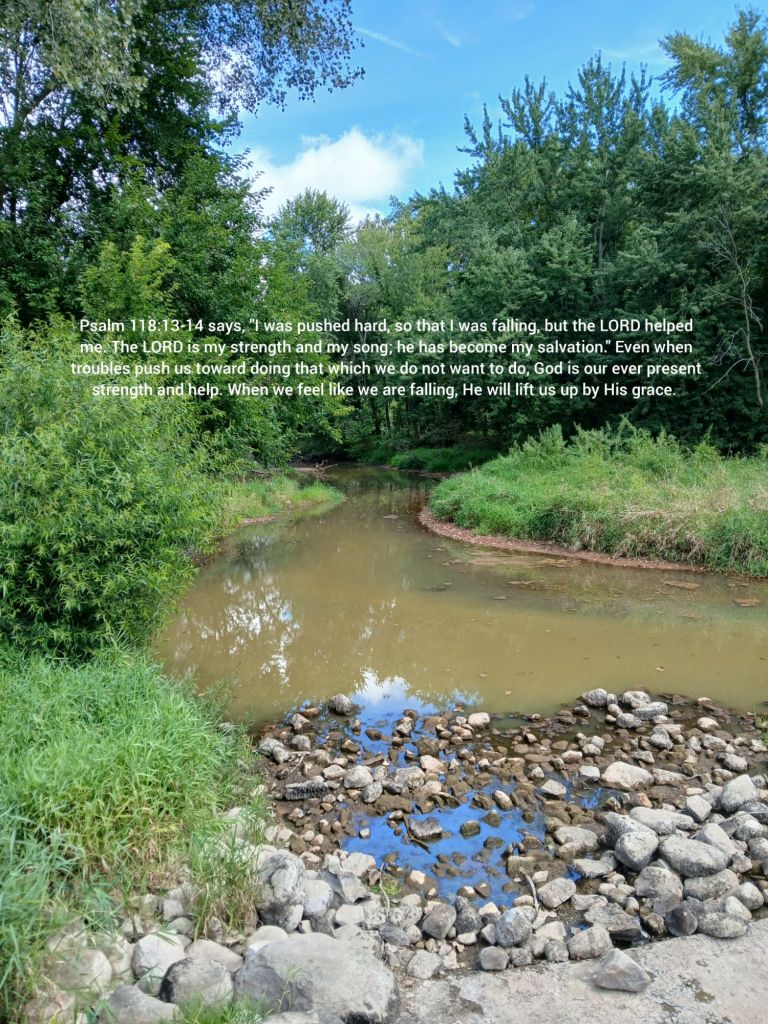
Psalm 118:13-14 says, “I was pushed hard, so that I was falling, but the LORD helped me. The LORD is my strength and my song; he has become my salvation.” Even when troubles push us toward doing that which we do not want to do, God is our ever present strength and help. When we feel like we are falling, He will lift us up by His grace. God has soft and gentle hands, able to catch us when we are falling, and we can find safety and salvation in His hands.
Suppose you go to a financial seminar conducted by someone with a proven record of success. You trust the words and advice that was given, but after the seminar, you begin doing the exact opposite of the advice you were given. The advice is thus proven useless for you, and you suffer the consequences of trusting in your own abilities.
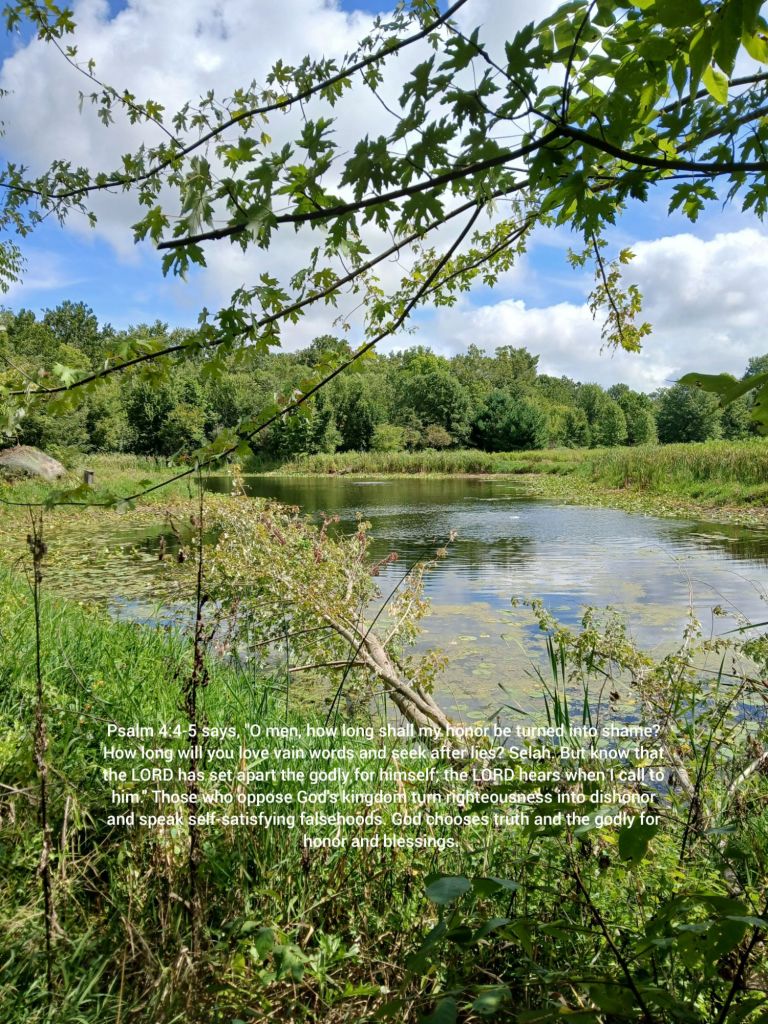
Psalm 4:4-5 says, “O men, how long shall my honor be turned into shame? How long will you love vain words and seek after lies? Selah. But know that the LORD has set apart the godly for himself; the LORD hears when I call to him.” Those who oppose God’s kingdom turn righteousness into dishonor and speak self-satisfying falsehoods. God chooses truth and the godly for honor and blessings.
Do you often feel like no one “gets” you? Do you speak with friends and feel like they don’t understand what you have said, or worse yet, that they can’t comprehend your challenges? Boy, I sure have these struggles. I will say something, and the response has nothing to do with what I just expressed. Where can we go to find someone who truly understands and sympathizes with us?
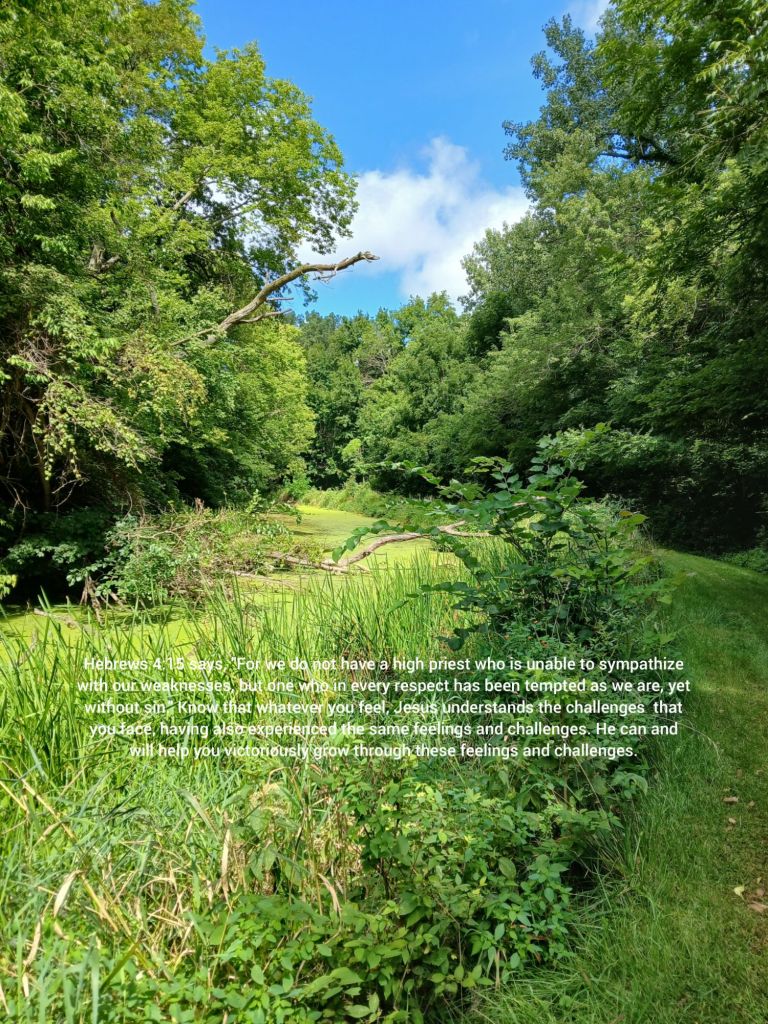
Hebrews 4:15 says, “For we do not have a high priest who is unable to sympathize with our weaknesses, but one who in every respect has been tempted as we are, yet without sin.” Know that whatever we feel, Jesus understands the challenges that we face, having also experienced the same feelings and challenges. He can and will help us victoriously grow through these feelings and challenges.
When was the last time that you watched the news program on television and rejoiced at some good news. Frankly, I have stopped watching the news because it is just too depressing. But, perhaps, you rejoiced at the report of your favorite team winning the big game or the candidate that you support winning the election. This celebration of good news is appropriate, but I suggest that the celebration is probably short-lived, because another big game or election will inevitably come.
Psalm 149:4-5 says, “For the LORD takes pleasure in his people; he adorns the humble with salvation. Let the godly exult in glory; let them sing for joy on their beds.” It is an amazing thought that the God who created and sustains all things takes pleasure in us, those who have trusted in Jesus Christ for salvation and redemption. When we have humbled ourselves in this way, God clothes us with the robe of Jesus’s righteousness. These blessings are cause for eternal joy and celebration.

 Reluctant Retiree